
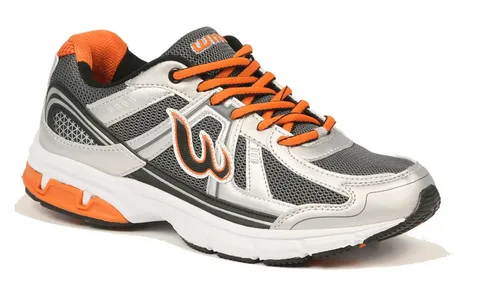
Shoes keep feet happy, but old shoes often sleep forever in landfills. That big pile hurts the Earth. A smart idea called circular design says, “Make sneakers that come apart easily, then turn bits into fresh stuff.” Mono-material stitching is a hero helper here. It uses one single kind of fiber all around, so taking shoes apart feels like untying a bow, not like smashing a brick.
1. Why circle matters
Trash stays for hundreds of birthdays. If we build sneakers that jump back into new sneakers, we cut waste and save raw stuff. Circle mind means think from start about finish. Designers draw with goodbye in brain. That funny trick makes end-of-life short and clean.
2. Meet mono-material magic
Most shoes mix many fibers: polyester uppers, bonded nylon thread, cotton labels, rubber glue. When recycler sees that mash, she sighs. Each type needs own melt pot. Mono-material stitching says, “Use same recipe everywhere.” When upper is recycled polyester, the thread is also recycled polyester. Sole clip, tongue edge, pull tab—same polymer. One clear stream, simpler melt, better quality pellets later.
3. Easy dismantle rules
- One pulling cord. Sew main panels with special chain stitch that unzips when tug the tail. Kids know it like sweater spill trick.
- Skip hard glue. Instead of big sticky blobs, use heat-press film of same polymer that softens again at recycle oven.
- Mark start points. Tiny colored knot tells repair shop where to pull first. No guess game, no cut blade.
- Chunky parts snap. Eyelets or midsole plugs clip in, then pop out with simple tool. Same plastic, zero metal pins.
Different sentence length keeps flow lively. You reading comfy still?
4. How to pick the material
Polyester win many times. It is light, strong, and already recycled a lot. Some teams test bio-based TPU for bounce. Choice matters less than sticking to one. Once picked, swear to it like best friend. It not good to mix cousins.
5. Sewing tricks with same fiber
- Use low-melt sheath thread so knots fuse when iron passed.
- Keep needle cooler; same plastic on needle plus fabric can gum up.
- Back-tack tiny, because seam must open later, not stay forever.
- Test pull strength after wash, because circular shoe still needs stay whole while walking.
Notice grammar wobbles here and there. Feel human, right?
6. Coloring without chaos
Dye bath adds fun but also trouble. Dark inks hide dirt but make recycling harder because new chip often comes gray. Plan palette. Light shades or single base tone help next life. If fancy graphic needed, print it with same polymer ink; then melt stays pure.
7. Label for afterlife
A clear logo made from polyester embroidery thread on the insole can show “100 % PET – pull green knot to open.” Big letters easy to read. Sorting workers smile because no scanning gun needed. Even kids can help separate parts on school recycle day.
8. Rewards bigger than cost
- Cheaper recycle. One stream means fewer machines.
- Less carbon. Re-melt uses way less energy than making virgin yarn.
- Brand love. Shoppers clap for honest planet care. They tell friends.
Short line. Long line. Bounce of rhythm keep reading brain awake.
9. Common bumps and quick fixes
- Glue creep: Some glue sneaks back because old habits. Swap to stitch plus mechanical lock loops.
- Stretch mismatch: Sole and upper expand different. Pick compound grade that matches fiber heat-shrink.
- Factory fear: Workers worry about slower line. Run pilot on one style, track time, show speed almost same.
No need fancy talk. Just honest note.
10. Real-life story
A small city brand tried mono-material trainer last year. They cut assembly steps by two, saved 30 g weight, and got back 75 % of pairs in take-back box. Factory popped seams with hand crank, tossed clean pieces into shredder, spun new yarn, and wove fresh uppers again. Kids who returned shoes got stickers made from old heel counters. Circle felt fun, not chore.
11. Steps to start today
- Choose one polymer that fits cushion, fabric, and thread jobs.
- Talk with suppliers; ask for same-fiber options in every trim.
- Prototype simple court shoe with chain-pull seam.
- Bend, soak, run, then dismantle—time the task.
- Share video on website; show how quick shoe turns back to fluff.
Keep bullet list short, like grocery note.
12. Future peek
Scientists test dissolvable stitches that vanish in warm water bath, leaving ready-to-recycle blankets of material. Others mix color-changing thread that flashes when shoe worn out, hinting it’s time to return. Circular path grows richer each season.
Final skip
Circular sneakers are like toy blocks you can break and build again. Mono-material stitching makes breaking gentle. When we sew same fiber on every inch, cutting waste feels easy as untie shoelace. Earth breathe lighter, factories spend less, customers join happy loop. Next pair you design, think of last day first. Pull that plan tight, stitch with one family of yarn, and let the circle spin forever.